Most aircond purchases in Subang Jaya start with a salesperson asking how big the room is, and end with a buyer agreeing to whichever HP rating sounds about right. That gut-feel decision sets your electricity bill for the next ten years. It is worth a few minutes of math.
The team at AC Service Pro Subang Jaya walks homeowners through the same sizing exercise on almost every installation visit. The formula itself is simple. The trap is missing two or three local variables that quietly push you into the wrong tier.
This guide gives you a compact framework for sizing residential splits, the corrections you need for tropical conditions, and the questions to ask before you sign the order form.
Why HP Numbers Lie a Little
HP is a marketing shorthand. British Thermal Units per hour (BTU/h) are the figure that actually predicts whether your room cools in fifteen minutes or in two hours. Two units stamped “1.0 HP” can differ by 600 BTU/h depending on the brand. Always read the data plate on the indoor unit before you commit.
Here is the rough conversion ladder our installers carry in their heads:
- 1.0 HP: 9,000 to 9,500 BTU/h
- 1.5 HP: 12,000 to 12,500 BTU/h
- 2.0 HP: 18,000 BTU/h
- 2.5 HP: 22,000 to 24,000 BTU/h
- 3.0 HP: 27,000 to 30,000 BTU/h
The Five-Step Sizing Math
Start with this base formula and adjust upward for local conditions. It will get you within one tier of the correct answer, every time.
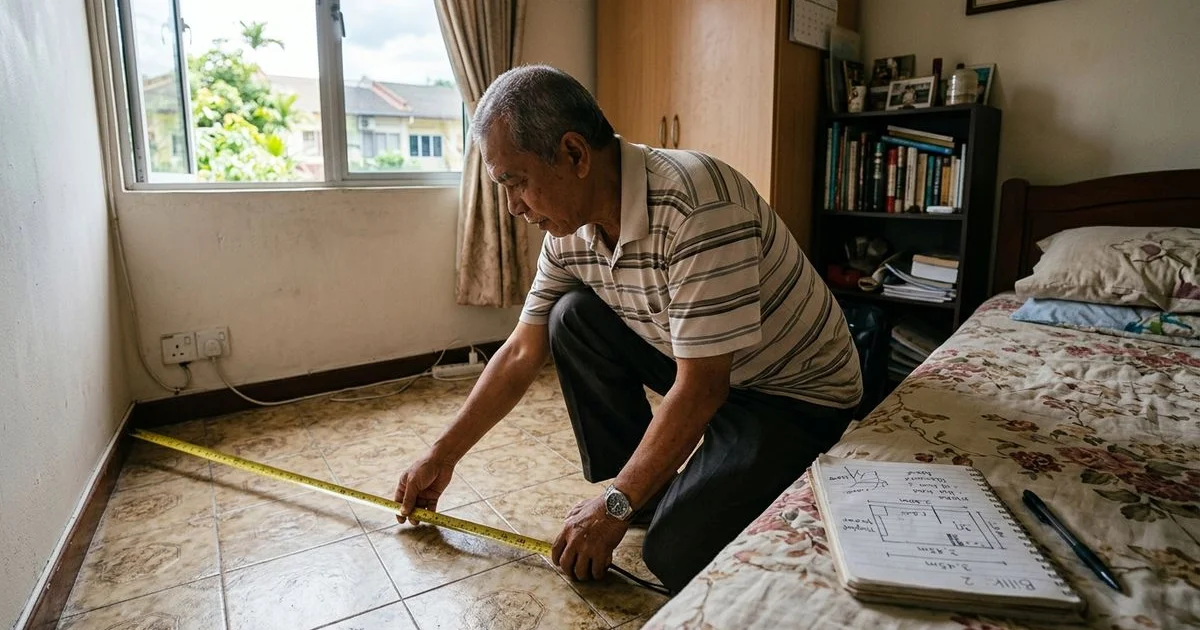
- Measure the room in square feet. Length times width.
- Multiply by 65 BTU/h for a tropical baseline. Generic online calculators use 50 to 60. That is too low for the kind of heat we get along Persiaran Kewajipan in March.
- Add 4,000 BTU/h for any kitchen or pantry open to the room.
- Add 600 BTU/h per regular occupant beyond the standard two-person assumption.
- Apply local correction factors from the table below.
Heat Calibration for Subang Jaya Conditions
Generic sizing tables assume a polite 26°C outdoor day. The reality here is closer to 33°C with humidity hovering around 80 percent for most of the year. That changes the heat load on your system in ways the brochures do not mention.
| Condition | Adjustment |
|---|---|
| West-facing window with afternoon sun | Add 15 percent |
| Top-floor unit under a concrete roof slab | Add 10 percent |
| Ceiling above 3 metres (loft, double volume) | Add 15 percent |
| Heavily shaded by neighbouring block or trees | Subtract 10 percent |
| Ceiling fan running in tandem | Subtract 10 percent |
Upper floors of the new high-rise blocks around SS16 carry the steepest correction factors. The afternoon sun hits the floor-to-ceiling glass with nothing in the way, and the slab above radiates heat well past sunset.
A Quick Reference for Common Room Types
Use this only after running the math above. It is a sanity check, not a shortcut.
- Single bedroom, 80 to 120 sq ft: 1.0 HP
- Master bedroom, 150 to 200 sq ft: 1.5 HP
- Master with walk-in wardrobe, 220 to 280 sq ft: 2.0 HP
- Condo lounge, 120 to 180 sq ft: 1.5 HP
- Terrace living hall, 200 to 280 sq ft: 2.0 HP
- Open-plan living and dining, 350 sq ft and above: Two 1.5 HP units at opposite ends, or one ceiling cassette
The Home Office Trap
Bedroom-sized study rooms with a desktop computer, two monitors, a printer, and a wifi router generate a surprising amount of waste heat. We have replaced more compressors in undersized home offices than in any other room category. If you work from home seriously, jump one HP tier above the bedroom math and pick an inverter model that handles sustained loads gracefully.
When a Wall Split Stops Being the Right Answer
For halls wider than about 18 feet or longer than 25 feet, a single wall split will leave the far corner warm no matter how many BTU you throw at it. A four-way ceiling cassette distributes air evenly in those layouts, which is why it is the standard fit-out for the open-plan serviced apartments going up in the SJCC towers near Subang Parade.
Cassettes cost more upfront and require a false ceiling cut-out, a condensate pump, and properly routed drainage. Budget noticeably more than a standard wall split job and confirm the building management allows ceiling work before committing.
What Strata Rules Mean for Your Compressor Yard
Every condominium in the area has a designated compressor yard, and MBSJ does not allow facade-mounted units on high-rises. Before you finalise the HP plan, count the yard slots. Owners regularly discover too late that their yard only fits three outdoor compressors, forcing a rethink on a four-bedroom installation just before move-in.
What We Check on a Free Site Visit
If you would rather have a technician confirm the math in person, we offer a no-charge sizing visit. Here is what we measure:
- Floor area, ceiling height, and wall material
- Window orientation and afternoon sun exposure
- Existing pipework and distance to the compressor yard
- Power supply availability and breaker capacity
- Condo bylaw constraints and contractor working hours
You can WhatsApp us at 016-636 6769 with your floor plan, or read more on the aircond installation service page. Buy the right size once and your compressor will outlast the warranty.